Learning
Grade R to Grade 2 learning, built patiently
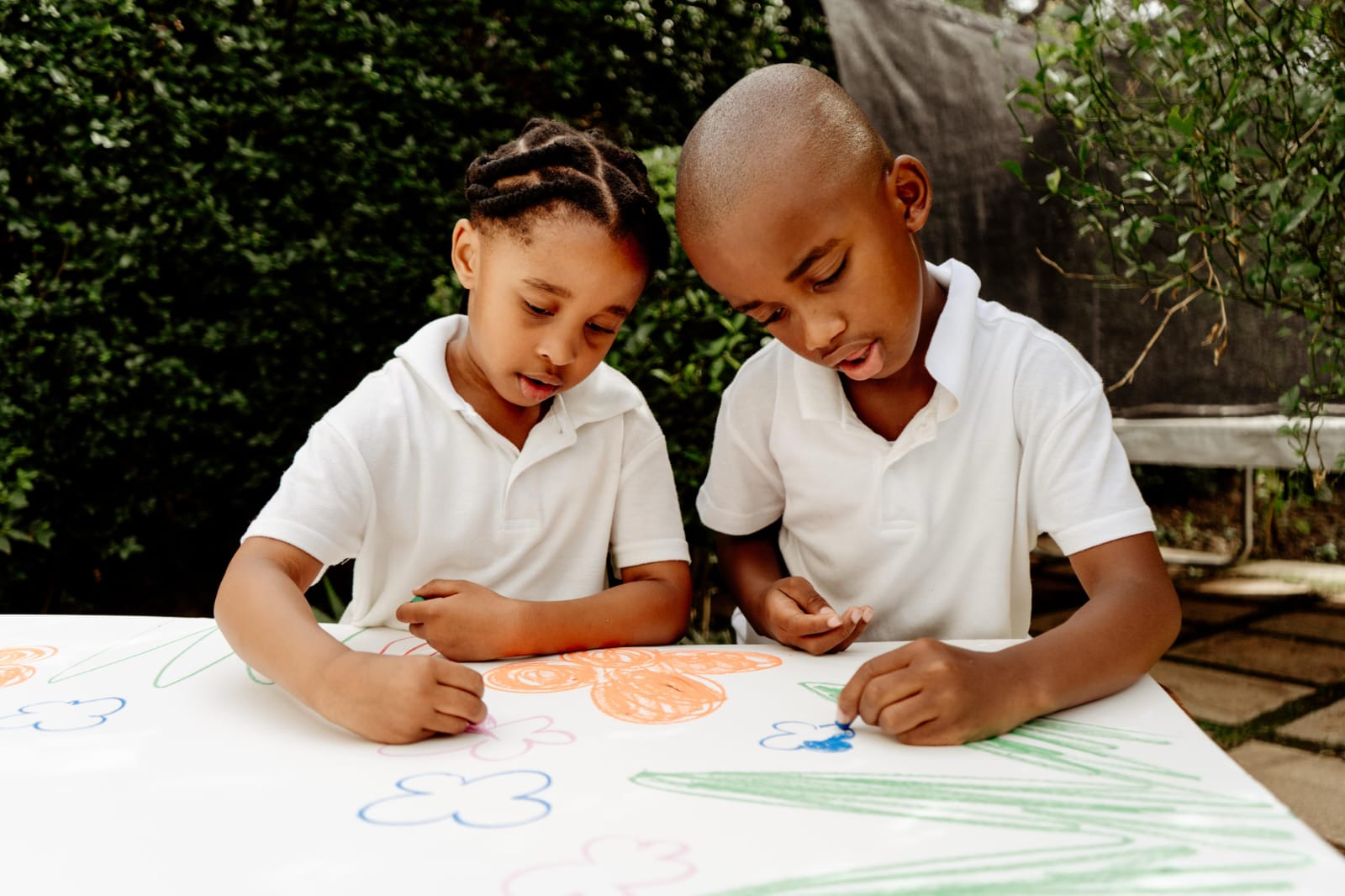
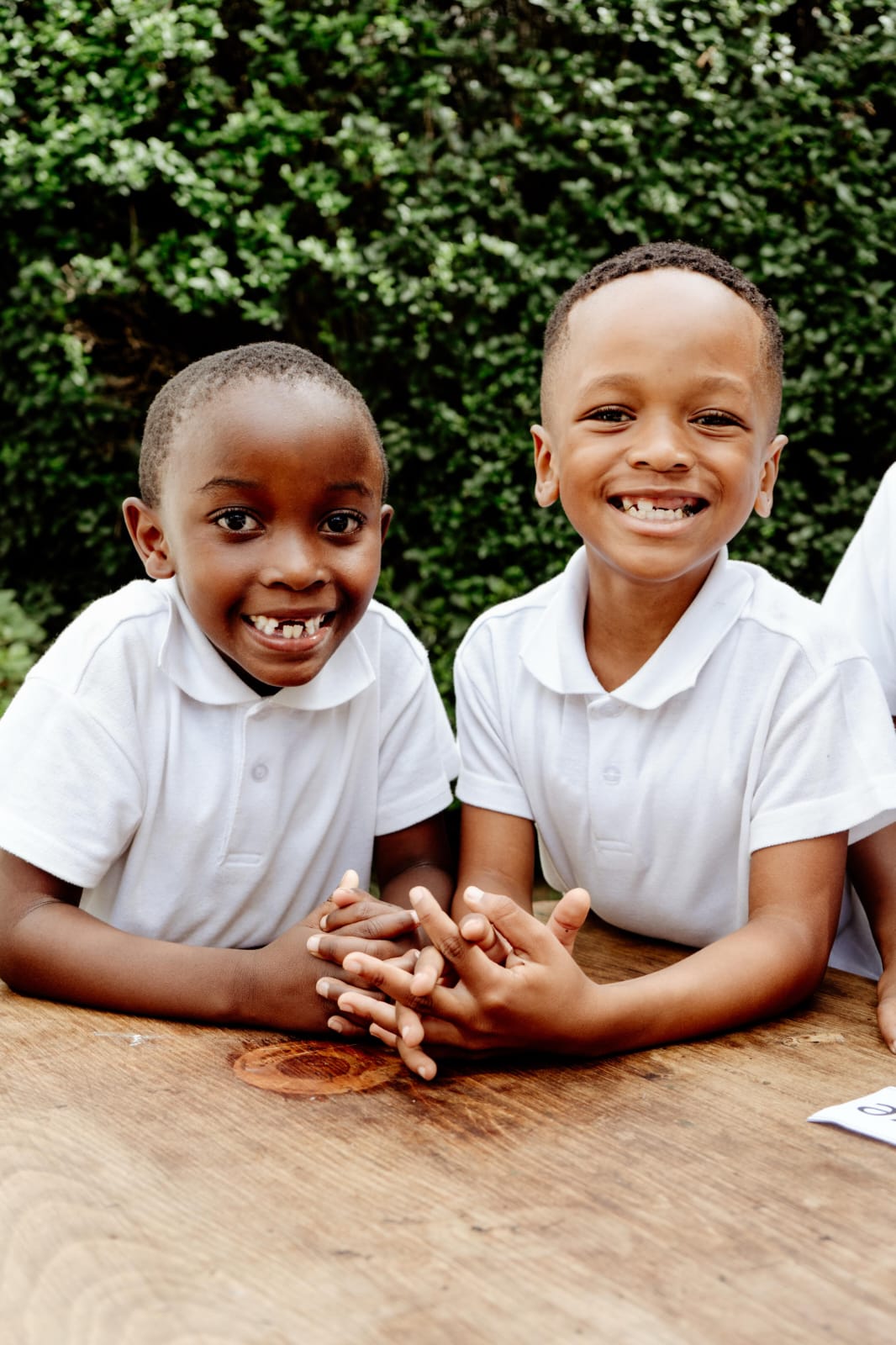
We follow the CAPS curriculum, taught in small classes at a pace that suits young children. Learning here is active, practical and often outdoors.
We follow the CAPS curriculum, which we treat as the bare minimum expected of our teachers. Our classes go beyond it wherever a child is ready.
Our approach
Young children learn best when they feel settled. Our days follow a predictable rhythm, instructions are short and clear, and teachers repeat and revisit work until it is properly understood.
Because classes are small, a teacher can sit beside a child who is stuck, and stretch a child who is ready for more, on the same morning.
What children learn
Literacy
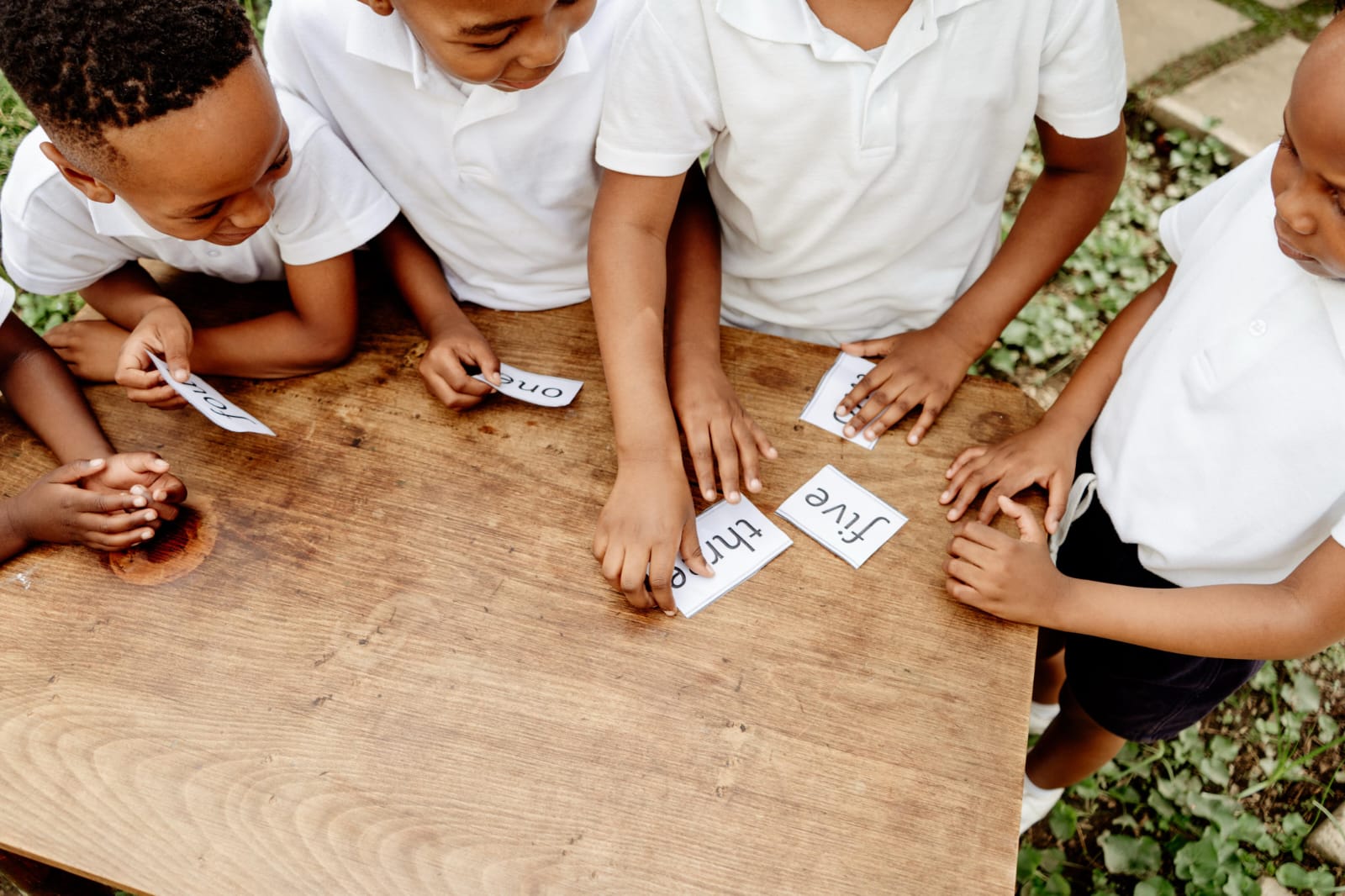
Daily phonics, shared reading, handwriting and storytelling. Children read aloud often, in small groups, so difficulties are noticed early and gently addressed.
Numeracy
Counting, number bonds, patterns and problem solving, using objects, games and outdoor activities before moving to written work.
Life Skills
Art, music, movement, personal wellbeing and the practical everyday skills that help a young child feel capable and independent.
Letters and sounds every day
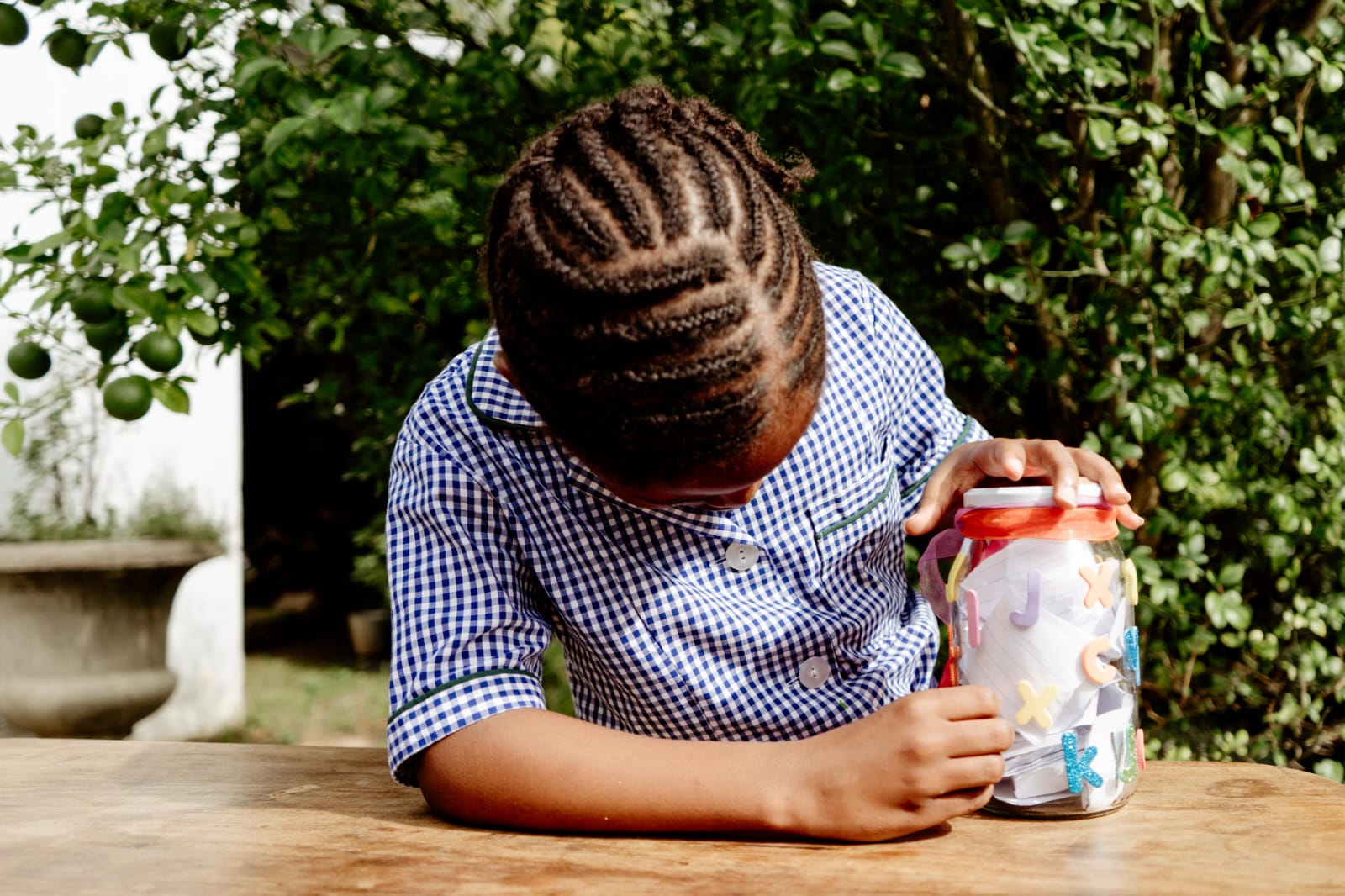
Phonics is hands-on. Children pull letters and words out of jars, match sounds to pictures and build their own words before they ever write them down.
Short, daily practice like this is what turns letter recognition into confident reading by the end of Grade 1.
Early childhood development
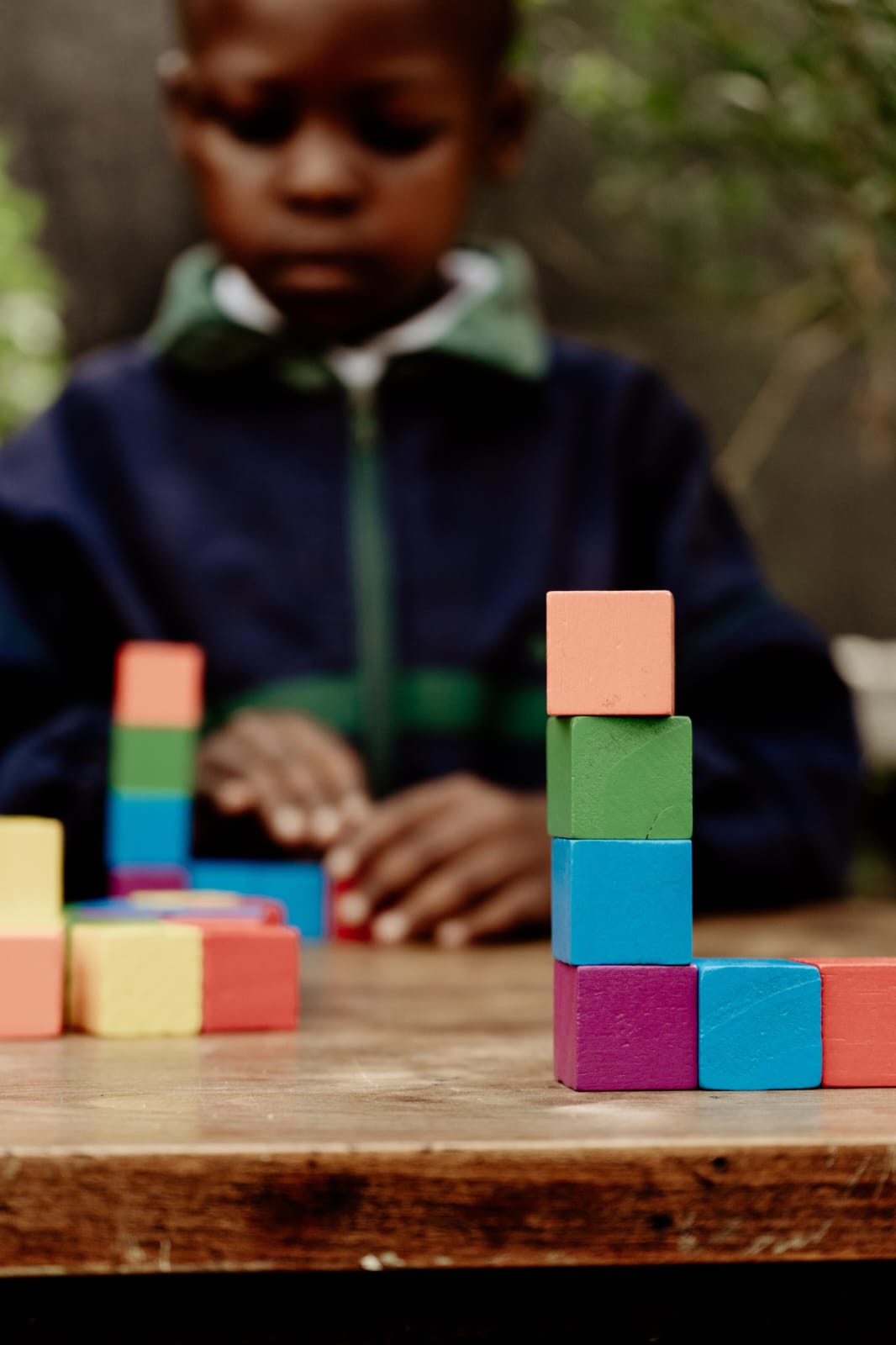
In Grade R, play is the work. Children build fine motor control through cutting, threading, drawing and building, and they learn to listen, take turns, tidy up and speak up. These are the quiet skills that make Grade 1 possible.
Hands-on learning in the garden
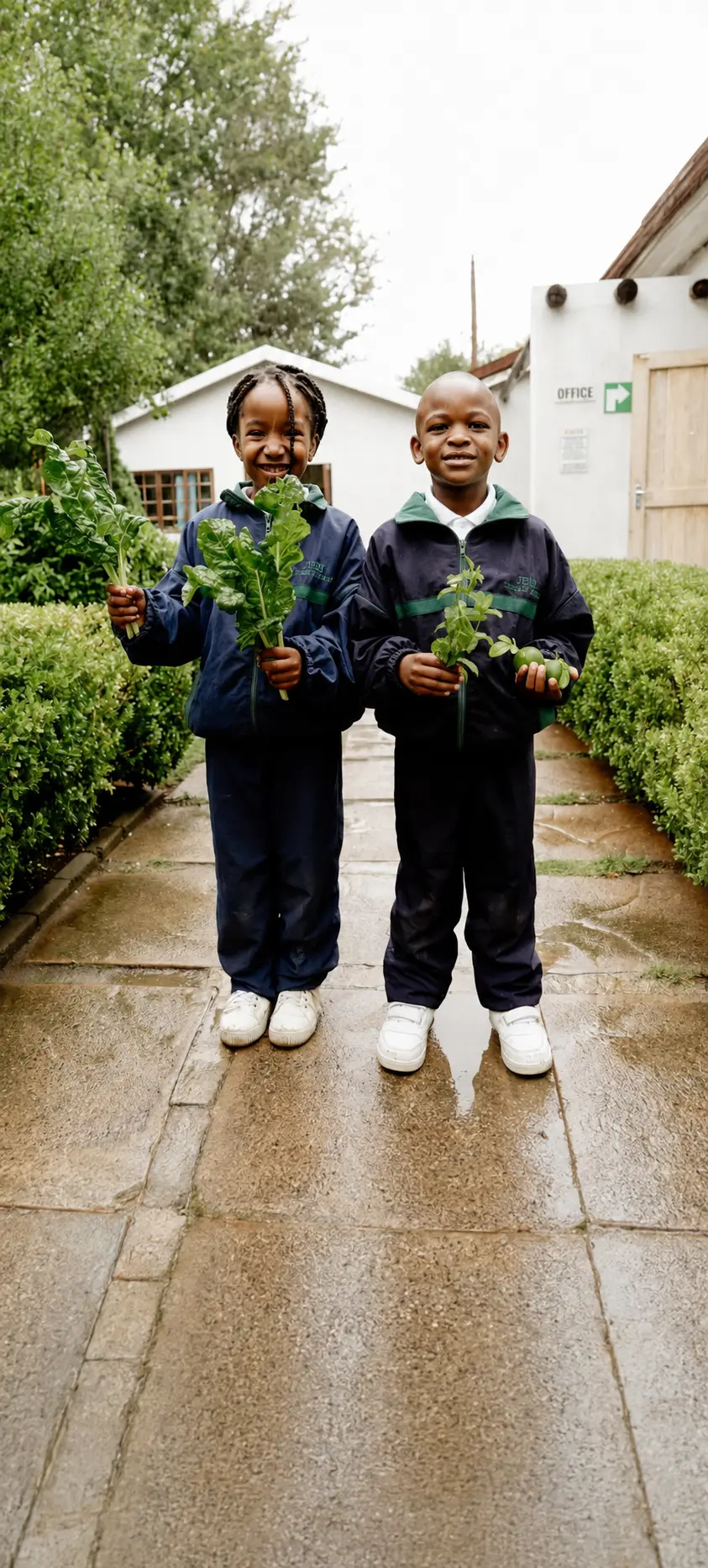
Our classes plant, water and harvest in the school garden. Children count, sort, measure and talk about what they see, and then carry the spinach and lemons they picked back to class.
It is the easiest way we know to make science, numbers and looking after living things feel real to a young child.
Learning support
If a child needs extra help, we say so early and kindly. Teachers work closely with parents, adjust classwork where needed, and will recommend outside assessment or therapy when that is genuinely in the child’s interest.
Please speak to us at any point in the year. You do not need to wait for a report.
Creativity in the classroom
Drawing, painting, cutting and building happen every week, often outside in the garden, and the work our children make is displayed with pride.